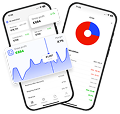
When Henrik Grøgaard first started using ProfitMetrics at his previous agency, it revealed a different way to work. The platform became the foundation for a more transparent, profit-focused approach that shaped how he built his own business.

Henrik Grøgaard is a Senior Digital Strategist working with e-commerce businesses across Norway. With a background in performance marketing, content production and agency environments, he has spent years helping brands grow through paid channels.
As Henrik’s role evolved from hands-on execution to a more strategic advisory position, he began to encounter recurring limitations in how performance was evaluated and communicated to clients within the agency model. Even within capable teams, decisions were often constrained by incomplete cost data, revenue-based metrics, and targets that couldn’t fully account for margin complexity. This made it difficult to guide clients toward profitable growth, and consequently to build trust in client relationships.
One of the biggest challenges Henrik faced in his agency work was determining how much to spend and which ROAS targets actually made sense across a broad product catalog. Price points, demand levels, and margins varied widely across different products and categories, but performance was still being evaluated primarily through revenue-based metrics.
Without a complete view of costs, it was nearly impossible to define a “one-size-fits-all” ROAS target. Even campaigns that were ostensibly on target could include both profitable and unprofitable orders, leaving teams unsure whether they were truly optimizing for the right outcome.

“We didn’t have the full cost picture, and we were always searching for the right data to assess performance. But it’s almost impossible to define a single ROAS that fits all margin structures, ad costs, and levels of demand.”

Henrik Grøgaard
Senior Digital Strategist
-
Freelance Consultant

Before ProfitMetrics, performance conversations were often built on partial data and educated guesses. Targets were set using rough calculations and intuition, but without a holistic picture of profitability. Even when results seemed positive, it was difficult to pinpoint which factors were actually driving growth, and difficult to assess whether that growth was sustainable and profitable.
Profitability could vary dramatically depending on product mix, margins, and auction dynamics. A single ROAS figure often blended profitable and unprofitable orders together, making it hard to draw clear conclusions. Without reliable profit data, reporting was less precise and conclusions drawn from it couldn’t always be verified, making strategic alignment with clients harder to achieve.
“We had some profit models and tracked metrics like CPA, CAC, and average ROAS. But in hindsight, profitability varied so much depending on the product, brand, average order value, and auction dynamics that it was nearly impossible to know what ROAS we should aim for.”
- Henrik Grøgaard
Even when performance was solid, there was often a lack of confidence around when and how to scale. Without establishing a definitive connection between ad spend and actual profitability, increasing budgets often came with an inescapable degree of risk.
Many clients were hesitant to scale spend because they couldn’t see whether growth would translate into real profit or simply amplify inefficiencies. As a result, decisions around scaling were slow, cautious, or altogether deferred. Without proof of profitability to anchor recommendations, trust was fragile, and strategic momentum was difficult to maintain.
When Henrik began using ProfitMetrics in his agency work, it fundamentally changed how he evaluated performance and made decisions. Access to accurate, real-time, order-level profit data removed much of the uncertainty that had previously encumbered strategy, reporting, and client conversations.
Over time, this clarity revealed something bigger: With ProfitMetrics as a key part of his setup, Henrik had all the tools he needed to deliver value as an independent operator. Realizing this, Henrik built a consultancy where he works as an external, profit-focused growth partner for e-commerce brands, helping align marketing spend with Contribution Margin. For Henrik, the shift wasn’t just about better data, but about redefining performance. It meant moving from revenue-based metrics to profit as the primary decision driver.
Once he connected client cost data to ProfitMetrics, Henrik was able to move beyond revenue-based performance indicators like ROAS and align spend directly with Contribution Margin (CM). CM provides a direct view of profit after variable costs and is widely considered the most reliable indicator of sustainable performance. This allowed him to evaluate campaigns based on actual profitability.
Instead of applying a single ROAS target across products with very different margins, price points, and demand profiles, Henrik could evaluate each product and category on its own profit performance. Targets became more realistic, spend decisions more intentional, and budgets were grounded in what each campaign could sustainably return.
“With ProfitMetrics, we know what we’re aiming for and can actually connect marketing performance to financial outcomes.”
- Henrik Grøgaard
Grounding conversations in Contribution Margin and profit-based metrics gave both Henrik and his clients a shared reference point for evaluating results and making decisions.
With a clear view of how product mix, margins, and demand influenced profitability in real time, performance discussions became more concrete and actionable. Henrik could demonstrate how specific changes affected the bottom line, and guide clients on which actions to prioritize based on that insight. This clarity made strategic alignment easier to achieve and gave clients confidence that decisions were grounded in the actual economics of their business.
With ProfitMetrics in place, Henrik could clearly show when increased spend was supported by real profitability and when it wasn’t. Instead of relying on projections or reassurance, he could point to Contribution Margin and order-level profit to justify scaling decisions. This changed the dynamic of growth conversations. Clients no longer had to take scaling recommendations on trust alone; Henrik could provide unambiguous, measurable evidence to support his recommendations. As a result, Henrik was able to recommend scaling with confidence, knowing that spend increases were justified by verified profit data.
“Many of my clients were previously reluctant to scale spend because they didn’t have a clear picture of profitability. Now, decisions are made faster and with greater trust.”
- Henrik Grøgaard
With ProfitMetrics as the foundation of his consulting model, Henrik was able to build a sustainable, profit-first practice centered on clarity, efficiency, and trust.
Rather than relying on estimates or revenue-based metrics, every recommendation was backed by order-level profitability data. This allowed Henrik to scale his client base, improve retention, and operate with confidence as an independent consultant. It also allowed him to spend less time on reporting and more time on strategic optimization and growth initiatives across clients.
Key outcomes:


“ProfitMetrics creates transparency, leads to better results, and improves profitability. It also eliminates the need to constantly justify outcomes. “
Clients trust the numbers, and you spend more time optimizing than explaining. But it also requires being completely honest on the client’s side: If something isn’t working or isn’t profitable, we need to go with a different approach.“
Henrik Grøgaard
Senior Digital Strategist
-
Freelance Consultant
Learn more about our agency partnerships


ProfitMetrics boosts your work with real-time profit insights on orders.